How AI Forecasts the Future Worth of Your Links
Data-Driven Forecasting in the 2026 Digital Market
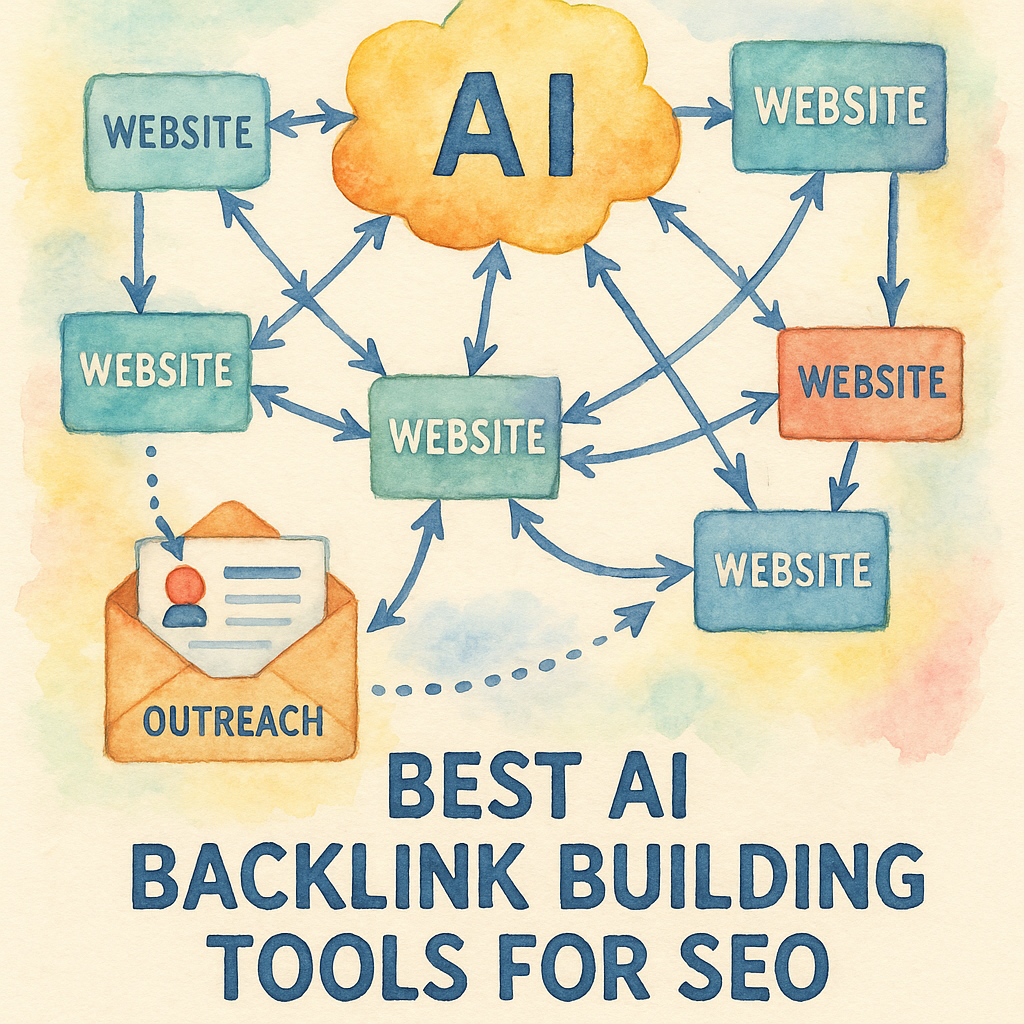
The speed of search engine algorithm updates in 2026 has actually made conventional, reactive link-building methods mostly inadequate for massive operations. Enterprise organizations now face an environment where search results shift in real-time based upon user intent and live data streams. To maintain, marketing departments have actually approached predictive backlink analysis. This approach includes utilizing maker discovering to project the future worth of a prospective link before any outreach begins. Instead of looking at what worked last month, these systems look at where a page will likely sit in the search hierarchy 6 months from now.
Predictive models evaluate thousands of variables, including the historical stability of a domain, the development rate of its outbound links, and the possibility of the content remaining relevant. By mid-2026, the focus has actually moved away from basic authority ratings toward a more granular understanding of link durability. Companies that effectively use these methods see a substantial reduction in "link churn," where hard-won placements disappear or decline due to website migrations or material revitalizes on the host domain. Success depends on understanding SEO NEO Tutorial at a granular level.
Advanced Automation in Enterprise SEO Management
The manual process of recognizing prospects and drafting emails has been changed by sophisticated automation chains. These systems do not simply send messages. They use natural language processing to assess the sentiment and topical positioning of a target website. In 2026, automation tools can identify "content spaces" on a high-authority site and recommend particular additions that would benefit both the host and the brand name looking for the link. This symbiotic approach has led to greater approval rates and more stable digital relationships.
Numerous organizations integrating automated link monitoring have discovered that these systems can find when a rival is acquiring momentum in a particular sub-sector. By flagging these trends early, the software allows teams to secure positionings on pertinent pages before those chances end up being too pricey or competitive. SEO NEO SEO NEO FAQ supplies the necessary information points for forecasting these traffic shifts, allowing managers to assign budget plans where they will have the most impact. This shift from manual searching to automated detection is a hallmark of the present age of seo.
The Role of Neural Link Analysis
A major development in 2026 is using neural networks to simulate how online search engine crawlers perceive a link's context. These simulations help SEO teams comprehend if a link from a specific paragraph will be treated as an editorial endorsement or a simple navigational aid. Predictive analysis can now approximate the "link juice" flow through a complex website structure, recognizing which pages hold true powerhouses and which are simply ornamental. This level of detail helps enterprise teams avoid low-impact placements that may have looked good on paper in previous years.
Current data recommends that links placed within material that has a high probability of being shared across social platforms or pointed out in academic papers carry more weight in 2026. Automated systems now scan for these "viral markers" in possibility websites. When a website shows a high frequency of being cited by news companies or government bodies, the predictive design flags it as a high-priority target. Large firms trying to find SEO NEO Automation on Autopilot need systems that can scale this type of deep analysis across countless potential domains without manual oversight.
Measuring the ROI of Link Stability
One of the greatest obstacles for business development is the volatility of the web. Pages are deleted, rerouted, or hidden behind paywalls every day. Predictive analysis addresses this by designating a "stability rating" to every prospective link. This score thinks about the monetary health of the hosting company and the technical consistency of their CMS. By 2026, the most effective brands are those that prioritize long-term authority over short-term spikes in exposure. They utilize automated scripts to verify the status of their link profile every hour, immediately flagging any removals for automated follow-up.
The expense of getting a high-quality link has actually risen progressively through 2026, making the loss of an existing positioning a substantial monetary hit. Predictive tools help mitigate this by recognizing "at-risk" links before they are lost. If a hosting website starts to show indications of technical disregard or an unexpected shift in content strategy, the system alerts the SEO group to find a replacement. This proactive stance makes sure that the overall authority of the domain stays consistent, preventing the abrupt drops in search ranking that utilized to afflict big brand names.
Scalable Outreach and Customization
While automation deals with the information, the human aspect still plays a role in the lasts of top-level link acquisition. However, even this has altered. By 2026, outreach professionals utilize AI-generated briefs that summarize the target editor's whole profession, previous articles, and even their specified interests on social media. This allows for a level of personalization that was formerly impossible at scale. The goal is to make the outreach seem like a peer-to-peer suggestion rather than a marketing demand.
- Automated identification of broken links on high-value domains
- Real-time sentiment analysis of prospective host content
- Predictive modeling of keyword difficulty and link requirements
- Automated follow-ups based upon the recipient's optimum engagement time
These methods have altered the everyday operations of SEO departments. Rather of spreadsheets, groups use live control panels that reveal the "projected worth" of their entire link profile. They can see how a brand-new batch of links will likely alter their rankings for specific clusters of keywords in the coming months. This foresight is what allows business business to preserve their supremacy in significantly crowded search outcomes.
The Impact of Search Technology on Development
As we look at the rest of 2026, the combination of link-based data into wider company intelligence systems is ending up being requirement. CEOs and CFOs are now looking at "digital equity" as a concrete asset. A strong, stable backlink profile is deemed a barrier to entry for competitors. When a business has an enormous lead in predictive link placements, it becomes very tough for a new entrant to capture up, as the recognized brand is currently securing the most important areas the minute they appear.
Modern link structure is no longer an isolated marketing activity. It is an information science discipline that needs a mix of technical abilities and tactical thinking. Organizations that treat their link profile as a fixed list of URLs are falling behind those that see it as a changing, growing system that requires constant monitoring and predictive modification. The concentrate on 2026 is plainly on the long-lasting health of the domain, using every available tool to guarantee that every link got today remains a source of traffic and authority for many years to come.
By applying these innovative methods, business can guarantee their development is constructed on a strong structure. Making use of predictive metrics permits a more disciplined method to spending plan allotment, guaranteeing that every dollar invested on search optimization is backed by information and probability. In the fast-moving world of 2026, this level of accuracy is the only method to remain ahead of the curve and keep a leading position in the digital market.