How Neural Networks Evaluate Topic Importance at Scale
Automated Method Shifts in 2026
The year 2026 marks a point where manual outreach has actually mostly faded into the background. Searching for backlink opportunities used to include hours of spreadsheet management and template-based emailing. Today, self-governing agents manage the identification and initial contact phases with little human disturbance. These systems do not just scrape lists of sites. They utilize neural analysis to identify if a target site lines up with the topical authority of the source. By evaluating years of search engine habits, 2026 software application anticipates which links will supply the most value before a single email is sent out.
Automation in 2026 has actually moved beyond simple scripts. Modern tools now evaluate the sentiment of a page and the historical efficiency of its outgoing links. This guarantees that a link is not put on a website that has a history of abrupt traffic drops. Marketers are concentrating on quality over quantity more than ever because the search algorithms of 2026 have ended up being specialists at spotting patterns of low-effort automation. Success now depends on using systems that simulate the logical decision-making of a human editor.
Data-Driven Link Acquisition and SEO Management
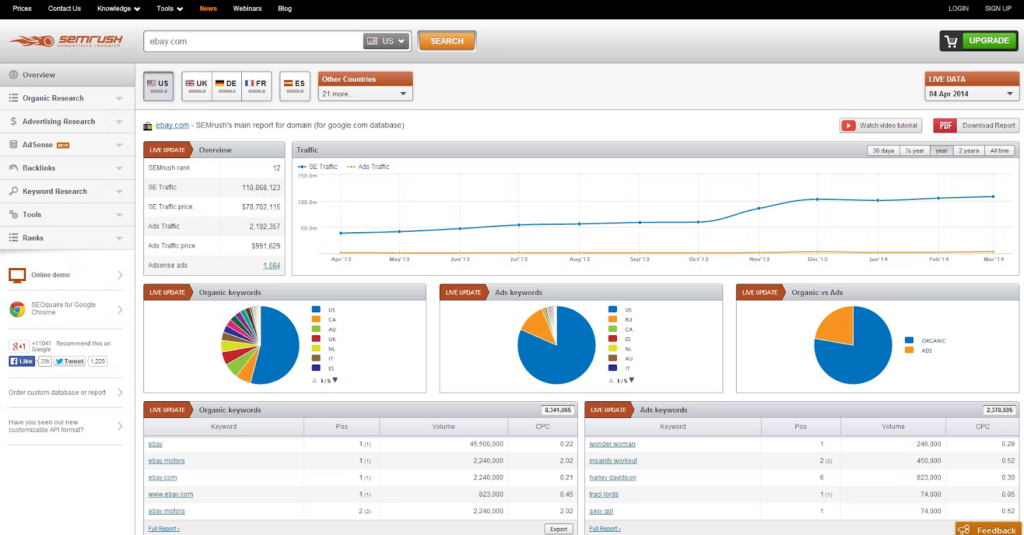
Success in the present 2026 digital environment requires a deep understanding of information streams. The majority of digital companies have integrated sophisticated SEO management platforms to track real-time link health. If a link vanishes or a page is redirected, the system determines the change right away and activates an automatic healing process. This level of oversight was difficult a few years ago when groups had to by hand investigate their backlink profiles every month.
Many digital professionals find that Michael Swart Review provides a direct course to enhancing search presence without the overhead of enormous outreach teams. The software deals with the vetting of domains, looking for spam signals that are specific to 2026 requirements. These standards involve looking for AI-generated content footprints that search engines may penalize. If a site reveals indications of becoming part of an automatic material farm, the system automatically blacklists it from future projects.
Top-level strategy now includes setting criteria for "natural" link development. Instead of acquiring fifty links in a single week, 2026 automation tools drip-feed positionings based on the normal growth patterns of high-authority websites. This prevents setting off the safety filters that contemporary search engines use to flag inorganic development. The focus has actually shifted from the act of building links to the art of handling a digital credibility throughout several platforms.
The Increase of Autonomous Settlement Agents
Among the most substantial changes in 2026 is using negotiation bots. When a premium website is determined, the software application does not simply send a generic demand. It evaluates the website owner's previous content and suggests topics that would really benefit their audience. These bots can negotiate terms, recommend content edits, and even deal with the scheduling of posts. This reduces the time in between finding an opportunity and seeing the link go live.
Using Michael Swart SEO NEO Review has ended up being a standard practice for business that wish to keep a competitive edge. These phrases and keywords are embedded into material that is contextually relevant, making the link feel like a natural part of the conversation. The AI writing tools of 2026 are capable of matching the tone and design of any publication, which makes the outreach more effective. Website editors are most likely to accept material that requires no editing, even if they know it was assisted by an automatic system.
Real-Time Index Keeping An Eye On
The speed of the internet in 2026 needs instant actions. Waiting for an online search engine to crawl a website to see the effect of a link is no longer essential. Tools now use predictive modeling to estimate the rankings enhance a link will supply within minutes of it being indexed. This allow firms to pivot their techniques mid-month if a specific sector of their project is not fulfilling expectations. It is a level of dexterity that was formerly unattainable.
Managing these complex systems typically includes advanced reporting software that translates technical data into actionable insights. Choices are made based upon probability ratings and historic information rather than "best guesses." The threat of a manual penalty has dropped significantly due to the fact that the automation software application is configured with the most recent search engine guidelines, which are upgraded in real-time by means of cloud sync.
Incorporating Human Oversight with 2026 Technology
Even with the advanced tools available in 2026, the human aspect has actually not disappeared. It has simply changed. Instead of composing emails, SEO experts now spend their time fine-tuning the reasoning of their autonomous agents. They set the ethical limits and the stylistic preferences that the AI need to follow. This ensures that the brand name voice stays consistent even when thousands of pages are being handled simultaneously.
The need for Michael Swart for Cloud SEO is growing as more services realize they can not stay up to date with the pace of 2026 innovation on their own. Outsourcing the technical elements of link structure to specialized systems allows internal teams to focus on more comprehensive business goals. These systems provide a level of consistency that a human group can not match, particularly when it pertains to repetitive jobs like broken link building or unlinked brand name reference recovery.
Material production for these links is likewise handled with a greater level of care. In 2026, the goal is to create "value-first" content. This suggests every visitor post or resource page should fix a problem for the reader. If the material is purely for the link, online search engine will likely overlook it. Automation tools are now programmed to research real user intent data before creating a single word. They take a look at what individuals are asking on social platforms and online forums to make sure the material is prompt and practical.
Future-Proofing Link Profiles in 2026
As we move through 2026, the concept of a "link" is altering. It is no longer just a piece of HTML. It is a signal of trust and a bridge for traffic. Automation now tracks the number of individuals actually click a link and how they act on the destination site. If a link does not drive real users, its value in the search algorithm decreases. This has caused the rise of "engagement-driven" link building, where the software prioritizes placements on pages with high active viewership.
Embracing modern SEO workflows assists organizations navigate these changes. The software application can forecast which sites will have a rise in popularity, allowing brand names to get links on those pages before they end up being too expensive or crowded. It is a proactive approach to SEO that counts on pattern forecasting and artificial intelligence. In 2026, staying ahead of the curve is the only way to maintain a top-tier digital presence.
Link structure in 2026 is less about "building" and more about "integrating." The systems we utilize today are created to make the internet more connected and useful. By automating the technical and recurring parts of the procedure, we allow the best material to rise to the top. The focus stays on building relationships in between websites that make good sense for the end user, ensuring that the web remains a location of premium, quickly accessible info.