How Quality Assessment Tools Protect Your Website
Neural Networks and the Development of Link Vetting
Link quality assessment has actually shifted from a manual list to a high-speed computational procedure in 2026. Older approaches depended on static metrics like domain scores or easy traffic estimates, which became simple to control. Today, neural networks examine the semantic relationship between a source page and its target with a level of precision that makes standard metrics look simple. These designs do not just count keywords. They examine the vector space of the content to determine if a link exists due to the fact that of an authentic editorial connection or a mechanical intent to affect search engine result.
In 2026, the main challenge for digital managers is no longer discovering a high volume of links, however guaranteeing that each connection makes it through the examination of deep learning filters. Browse algorithms now use recurring neural networks to trace the history of a domain, determining patterns of unnatural development that human beings might miss out on. This modification has pushed businesses to concentrate on SEO NEO Questions as a way to preserve visibility in a competitive environment. Without this focus, a website threats being flagged for importance mismatch, which is now a more extreme charge than simple link spam.
Quantifying Semantic Relevance in 2026
The core of contemporary link evaluation lies in Transformer-based models that read and understand web pages similar to a human would, but at a massive scale. These models assess the area of a link. If a link concerning financial preparation appears within a conversation about gardening, the neural network appoints it a low weight, even if the connecting site has a high credibility. This contextual awareness makes sure that authority is only passed when the topics are logically aligned. Professionals in the field have noted that the "drift" between the source and target material is now the single most essential factor in link durability.

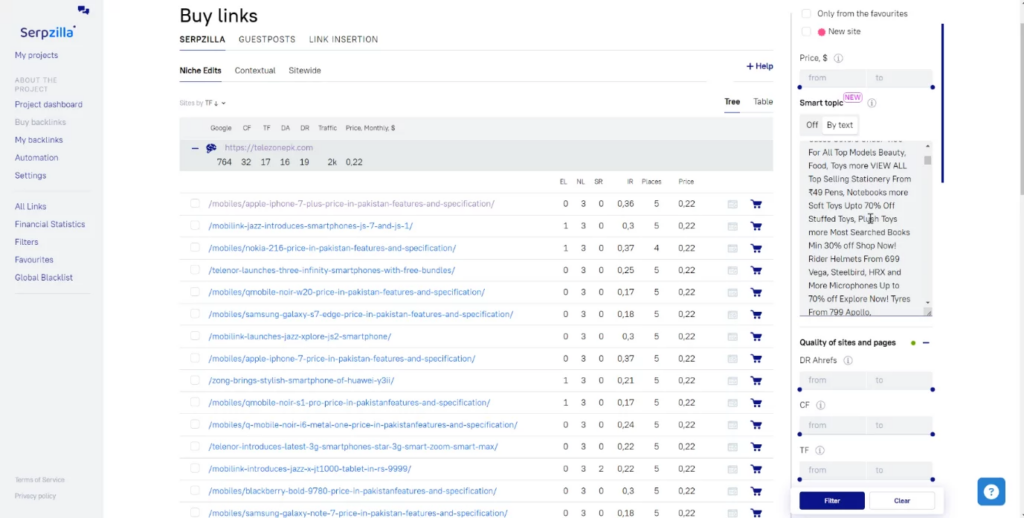
Automation has moved into the vetting phase, where software application forecasts the future worth of a prospective link. SEO NEO Campaign Configuration assists teams decide which opportunities deserve pursuing before they ever send out an outreach e-mail. By simulating how an online search engine will likely interpret a link 6 months from now, these tools prevent the acquisition of "rotting" possessions. This predictive capability saves time and spending plan, enabling a more surgical approach to authority building. Instead of broad campaigns, groups now perform highly targeted strikes on domains that have high topical density.
Behavioral Signals and the Death of Fixed Metrics
One of the most substantial changes in 2026 is how neural networks incorporate behavioral information into link quality. It is no longer enough for a link to just exist. Online search engine observe how users engage with the page containing that link. If users consistently skip over a link or show signs of frustration when clicking it, the weight of that connection drops. This behavioral layer makes it nearly difficult to utilize old-school link farms or concealed placements. Hyperlinks must be noticeable and useful to genuine individuals to offer any technical advantage.
Numerous companies searching for SEO NEO for Troubleshooting have discovered that small, niche-specific sites typically provide more value than big, generic news outlets. A neural network acknowledges that a specialized blog has a more focused authority in a specific field. This has actually resulted in a decentralization of the web, where smaller sized, authoritative voices hold more sway than they did 2 years earlier. The automation of this discovery process allows brand names to discover these "micro-influencers" of the web without the huge manual work formerly needed.
Predictive Analytics for Sustainable Authority
The speed of these assessments is maybe the most striking development. In previous years, a website might enjoy the advantages of a low-quality link for months before an online search engine upgrade captured up. In 2026, these updates are constant and rapid. When a brand-new link is indexed, it travels through a number of layers of neural filtering instantly. These layers examine for author reputation, hosting patterns, and even the "belief" of the surrounding text. If the link is discovered in a section of text that is purely advertising or lacks a natural circulation, its value is moistened in real-time.
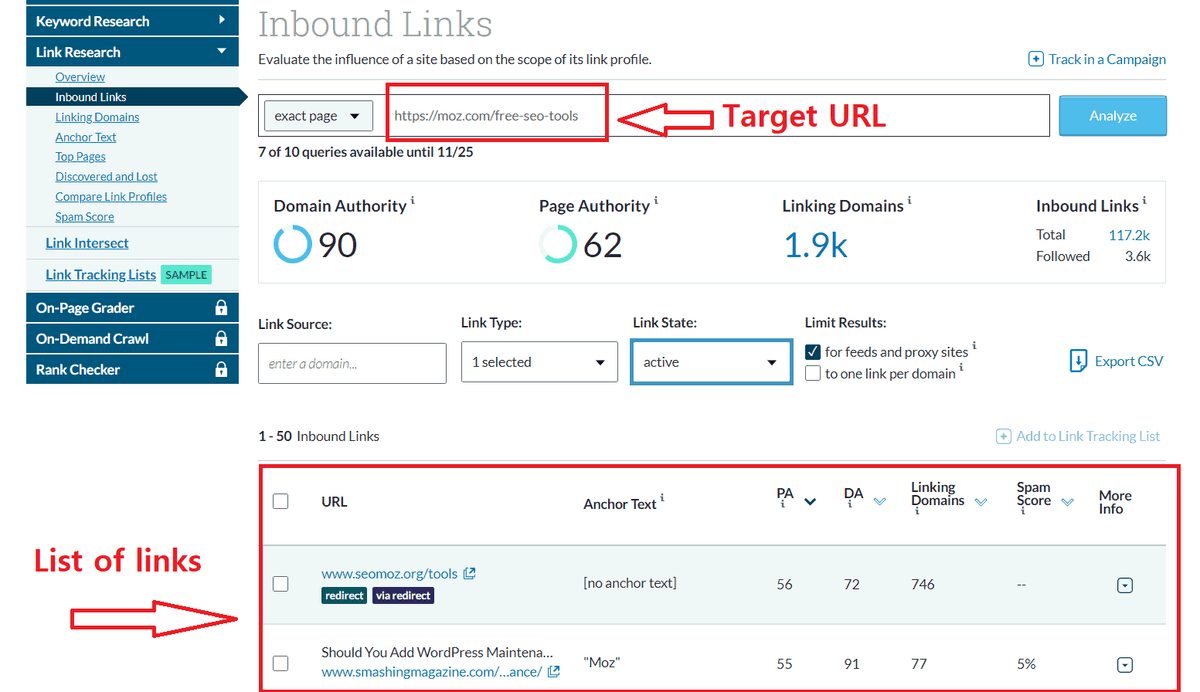
This environment needs a various approach to SEO management. Supervisors now utilize real-time dashboards that reveal the "health" of their link profile based on these neural filters. These control panels highlight links that are starting to lose importance as the website's own content evolves. Due to the fact that the web is fluid, a link that was pertinent in January may end up being a liability by December if the destination page changes its focus. Constant monitoring via automation is the only way to stay ahead of these subtle shifts in topical positioning.
The cost of entry for reliable link structure has actually increased, however the results are more steady. By 2026, the industry has actually primarily moved away from high-risk strategies. Neural networks have actually brought a level of openness to the web where quality is objectively determined by logic and information instead of subjective viewpoints. For those who invest in understanding these automated systems, the path to authority is clearer than ever. It is about producing a web of connections that are as intelligent as the algorithms assessing them. Success depends on the ability to combine technical automation with top-level material technique, ensuring that every link serves a purpose for the user and the machine alike.