Next-Gen Business Hosting Trends to Watch

Scalability describes a system's ability to deal with increasing workloads, users, or information without impacting efficiency. A scalable system can expand resources such as servers, storage, or processing power when needed. When a system's work or scope increases, it ought to have the ability to preserve or even improve its performance, efficiency, and reliability.
A system needs to be scalable in order to accommodate growing user traffic, data volumes, or calculating demands without suffering a significant performance hit or requiring an overall redesign. A video streaming platform that automatically adds more servers when countless users start watching material at the very same time. There are lots of real-world examples of scalable systems that show the value and impact of scalability in modern-day technology.
Deals scalable cloud services that let companies easily scale calculate, storage, and databases on need. Upgrading a system by including more CPU, memory, or storage to a single server, comparable to increasing an automobile's engine power. Ideal for little applications and fast scaling, however limited by hardware restrictions and can not scale indefinitely.
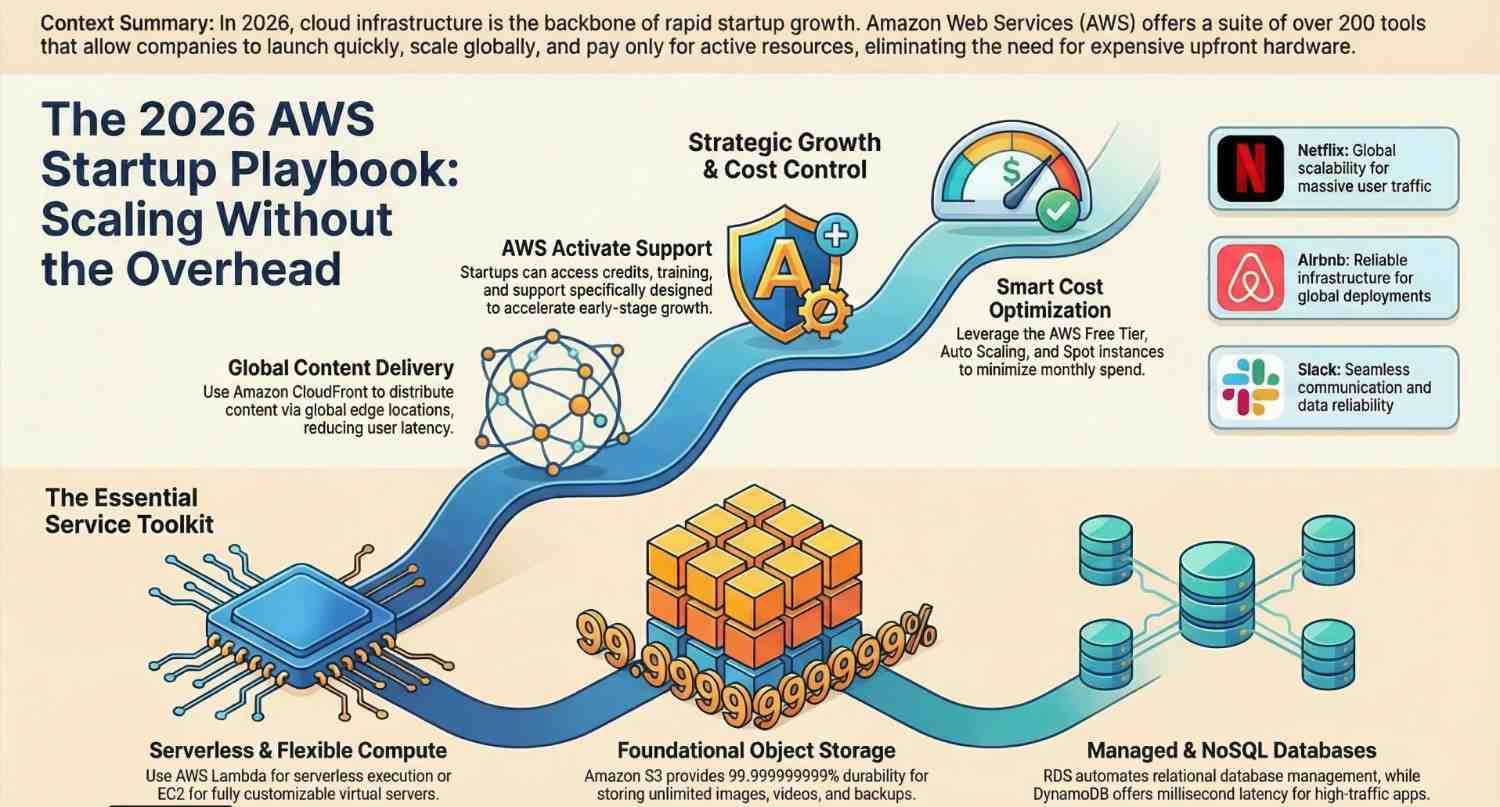
Scaling by adding numerous servers or circumstances to share the work, similar to utilizing several automobiles rather of one. Disperses traffic throughout resources effectively, making it perfect for massive applications with high user demand. Microservices, Deals with the app as small, independent services. Breaks the application into little, independent services that manage specific performances.
SEO NEO reviewServerless, Removes the need to manage servers. Instantly scales based on demand without needing manual server management. Affordable for variable work, with services like AWS Lambda managing execution and scaling. The aspects that affects the scalability with their explanation are: Efficiency traffic jams are components or processes in a system that restrict general efficiency and decrease operations.
They are often triggered by sluggish databases, ineffective code, or restricted resources. Efficient usage of system resources is essential to maintain performance and support system scalability. Efficiently utilizing resources such as CPU, memory, and disk space is important for scalability. Inefficient resource utilization can cause bottlenecks and limit the system's ability to scale.
Maximizing Cloud Scalability With Modern VPS
Network latency is the delay in data transmission. High latency slows node interaction and impacts scalability. The method data is stored and accessed plays a significant function in figuring out how well a system can scale. Data storage and access patterns impact scalability. Distributed databases and caching aid systems scale much better.
System architecture figures out how elements are structured and how quickly the system can scale. System architecture specifies how quickly a system can scale, with modular and loosely coupled elements enhancing versatility.
Some of the main parts that assist to increase the scalability are: A load balancer distributes inbound traffic across several servers to avoid overload and enhance efficiency and availability.Caching stores often accessed data temporarily to reduce latency and backend load.Database duplication develops numerous copies of data(often asynchronously)to improve accessibility and check out performance, with trade-offs in consistency.Database sharding splits information into smaller fragments to scale databases across multiple instances.Microservices architecture divides applications into independent services that can scale separately.Data partitioning divides information based on criteria like user or regionto improve scalability.CDNs provide cached content from areas closer to users, minimizing latency.Queueing systems handle demands asynchronously to handle traffic spikes and avoid overload. As systems scale, they end up being harder to manage, preserve, and debug, raising functional overhead.: There is frequently a trade-off in between latency and throughput. Optimizing for low latency might reduce throughput, and vice versa.: Partitioning boosts scalability however requires cautious balance of partition size, information movement, and data region. Growth increases system need before it increases earnings. guarantees your infrastructure deals with that demand without decreasing performance. When scalability is planned properly, users experience stability even throughout traffic spikes, item launches, or growth phases. Below is a practical, structured method to building that supports both efficiency and growth. Server scalability implies your systems can manage increasing traffic, users, and data without deterioration. Stable systems develop trust, while unsteady systems drive churn. Scalability is not about responding to failures. It is about preparing facilities before development worries it. Scaling without data creates unnecessary cost and threat. You need clear exposure into how your facilities acts under regular and peak traffic conditions. Track response time, CPU and memory use, database performance, and mistake rates. This method works well for early-stage products with foreseeable workloads and simpler architectures. Updating server circumstances or increasing database memory can quickly improve performance. However, every server has a maximum limitation. As soon as that ceiling is reached, moregrowth requires a various technique. Horizontal scaling improves capacity by adding several servers rather of expanding one. Releasing multiple application servers and separating web, application, and database layers distributes workload effectively. This structure removes single points of failure and supports long-lasting growth. Including servers alone does not improve performance unless traffic is equally dispersed.