Predictive Modeling: Forecasting Success in Competitive Niches

Improvements in Link Acquisition for the local market in 2026
The shift from manual outreach to fully autonomous link structure defines the present state of search engine optimization in 2026. Agencies no longer rely on enormous teams to send cold emails. Instead, they release multi-agent systems that determine pertinent opportunities based upon semantic relevance rather than simply domain metrics. These representatives evaluate the context of a potential link partner, guaranteeing that the connection makes good sense for the audience and the online search engine's intent-based algorithms.
Deep knowing designs now deal with the preliminary vetting process. These systems scan thousands of pages per hour, examining the belief and topical authority of every prospective backlink source. Successful outcomes in 2026 depend on discovering these tight topical clusters. Agencies that focus on modern SEO tactics have actually found that links from niche-specific nodes bring more weight than generic mentions on broad news websites. The focus has actually shifted from quantity to the "neural distance" between the source and the target material.
The worth of Michael Swart Review has changed how firms budget plan for off-page activities. Rather of paying for visitor posts on questionable sites, resources are directed towards developing top quality data properties that bring in links naturally. Automation tools facilitate this by keeping an eye on "link spaces" in real-time. When a competitor gets a mention, the system immediately flags the opportunity and prepares a custom-made outreach sequence that highlights a more comprehensive or upgraded resource.
Autonomous Management of Search Visibility
Management workflows have actually progressed to equal the speed of AI-driven search updates. In 2026, technical SEO is largely self-healing. Modern platforms link straight to a website's variation control or content management system. When a crawl mistake takes place or a schema tag breaks, the automation layer determines the issue and pushes a fix before it impacts rankings. This shift permits human strategists to focus on brand positioning rather than repairing damaged redirects or missing out on image descriptions.
Content governance has also seen a major shift. Systems now utilize retrieval-augmented generation to fact-check content versus a verified understanding base. This makes sure that every piece of details published on behalf of a customer is accurate and up to date. In the age of generative search, precision is a primary ranking aspect. Agencies that manage Michael Swart SEO NEO Review utilize these tools to preserve a high level of trust with both users and search crawlers. The automation does not simply produce content; it polishes and validates it to fulfill the rigorous quality standards of 2026.
Data visualization has moved beyond fixed control panels. Most companies now utilize predictive modeling to reveal clients where their traffic will be in 3 to 6 months. By feeding historical performance and existing market trends into specialized algorithms, these systems supply a practical outlook on ROI. This level of openness helps services in the surrounding region make much better decisions about their marketing spend. The data is no longer about what took place last month, however what is most likely to take place next quarter.
Information Integration and Processing in Urban Markets
Integrating different data streams is a significant concern for SEO professionals this year. The silos in between paid search, natural outcomes, and social signals have primarily vanished. Automation layers now pull data from every touchpoint to create a unified view of the customer course. This permits hyper-localized targeting. If a particular neighborhood reveals high interest in a specific service, the system can automatically adjust the regional landing pages to reflect that intent.
Companies searching for Asia Virtual Solutions for Cloud Link Building often discover that the most effective campaigns are those that respond to regional occasions in real-time. In 2026, automation scripts can keep an eye on local news, weather, or event calendars to trigger specific SEO changes. If a major storm is anticipated, a home repair work service might see their local pages updated with emergency situation contact details and appropriate suggestions, all handled by a pre-configured workflow. This level of dexterity was impossible when human beings had to make every change manually.
The usage of synthetic users for screening has also ended up being common. Before a new website structure or material pillar goes live, companies run it through a simulator that simulates how different kinds of users-- and browse bots-- will communicate with the pages. This permits quick version and guarantees that the end product is optimized for both conversion and crawlability. It is a proactive approach that reduces the danger of ranking changes after a major update.
Improving Outreach Effectiveness with Neural Networks
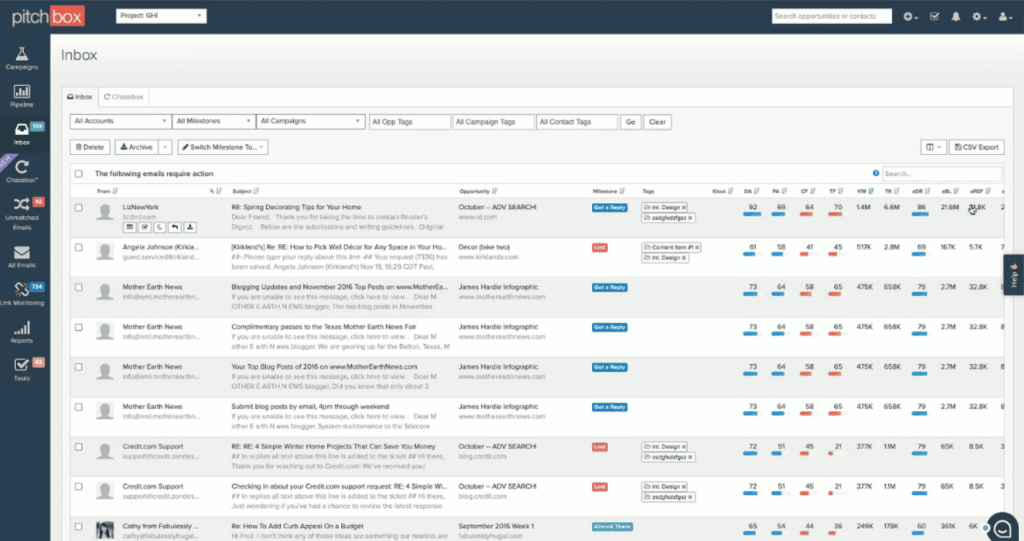
Outreach is no longer a numbers game. In 2026, the very best firms utilize neural networks to predict which editors or site owners are most likely to react to a specific pitch. These systems analyze years of historic interaction information, including reaction times and chosen subjects. The resulting outreach is extremely customized, frequently referencing particular points from the recipient's recent work without the uncomfortable phrasing common in earlier AI models.
- Automated belief analysis of potential partners guarantees brand name security.
- Dynamic material insertion permits really special outreach messages at scale.
- Automated follow-up sequences adjust their tone based on the recipient's previous engagement levels.
- Real-time link tracking informs the group if a hard-won link is eliminated or altered to "no-follow."
This performance has decreased the barrier to entry for smaller sized businesses in the local area. By automating the recurring parts of the process, firms can offer high-level link structure services at a more available cost point. The competitors is now about the quality of the technique rather than the size of the outreach group. Success in this environment requires a deep understanding of how to configure these automated systems to show a brand's special voice and objectives.
Refining Technical Audits in 2026
The technical audit procedure has actually been replaced by continuous tracking. In the past, a firm may perform a deep dive once a month or when a quarter. Now, the audit is a living procedure. Each time a page is updated, the system checks it versus numerous technical requirements. If a new script slows down the page load time or an internal link results in a 404, the team is alerted immediately.
These systems likewise track "search intent shifts." If the search engine results page for a target keyword changes from educational to transactional, the automation flags this as a concern. This permits the firm to upgrade the content to match what the search engine now wants to see. Staying ahead of these shifts is vital for maintaining leading positions in a fast-moving market. The capability to pivot based upon data rather than instinct is a trademark of a mature SEO operation in 2026.
Monitoring the competitive environment has likewise ended up being automated. Tools now track every change made by rivals-- from meta descriptions to rates modifications. This intelligence is fed into a central database where it is analyzed for patterns. If a competitor starts gaining traction in a specific sub-topic, the firm gets a report with recommendations on how to counter that growth. This continuous alertness makes sure that no chance is missed and no risk goes unaddressed. The focus stays on professional digital growth by staying one step ahead of the competitors through smarter data application.
The future of SEO management lies in the balance in between self-governing execution and human oversight. While the devices manage the information and the recurring jobs, the human component remains required for top-level imaginative direction and relationship building. In 2026, the most effective agencies are those that have successfully integrated these two worlds, creating a workflow that is both efficient and deeply rooted in strategic thinking. This technique makes sure that as online search engine continue to evolve, the techniques used to reach clients stay effective and ethical.