The Evolution of Managed Server Solutions Beyond

Scalability describes a system's ability to manage increasing workloads, users, or data without impacting efficiency. A scalable system can broaden resources such as servers, storage, or processing power when needed. When a system's workload or scope rises, it ought to be able to preserve or perhaps improve its efficiency, efficiency, and dependability.
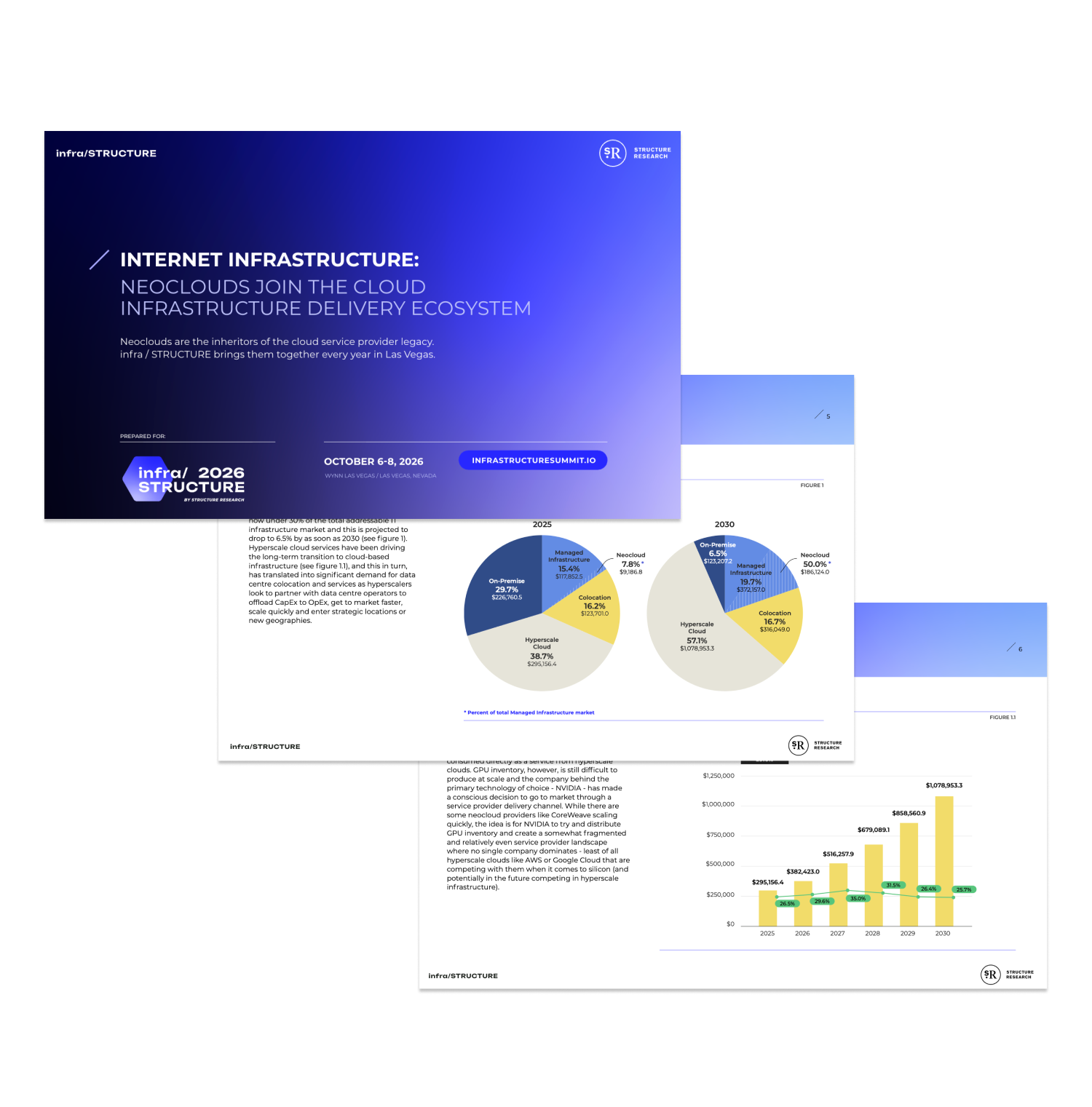
A system must be scalable in order to accommodate growing user traffic, data volumes, or calculating needs without suffering a major efficiency hit or necessitating a total redesign. A video streaming platform that instantly adds more servers when millions of users begin viewing material at the exact same time. There are lots of real-world examples of scalable systems that demonstrate the importance and impact of scalability in contemporary innovation.
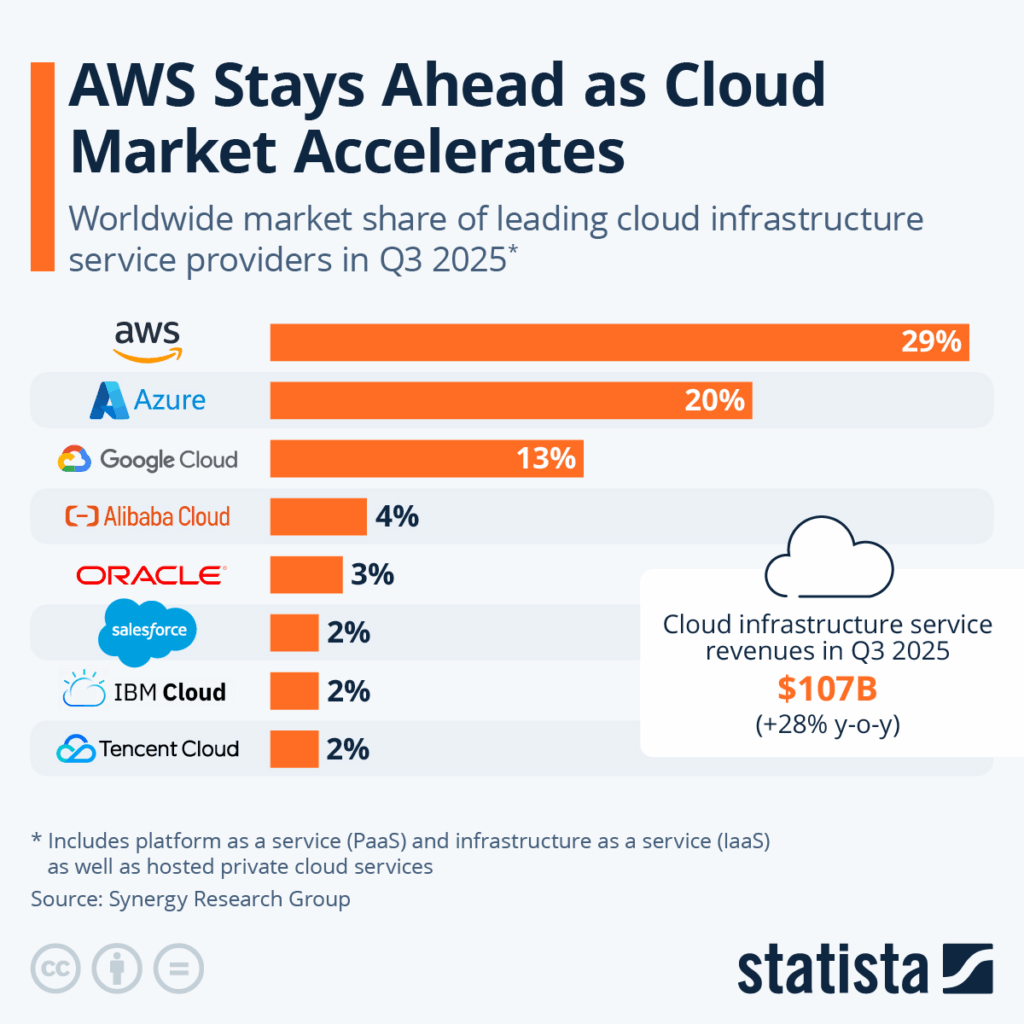
Deals scalable cloud services that let organizations easily scale calculate, storage, and databases as needed. Count on cloud facilities, microservices, and caching to stream material to millions of users simultaneously. These examples highlight how scalability helps companies deliver reputable efficiency, handle traffic spikes, and proliferate without infrastructure limitations.
Why Scalable Managed Hosting Drives Speed
Vertical Scaling, Like upgrading an automobile with a larger engine for more power. Updating a system by adding more CPU, memory, or storage to a single server, comparable to increasing a vehicle's engine power. Suitable for small applications and quick scaling, but limited by hardware constraints and can not scale forever.
Scaling by adding multiple servers or circumstances to share the work, comparable to using multiple cars rather of one. Disperses traffic across resources efficiently, making it ideal for large-scale applications with high user need. Microservices, Deals with the app as little, independent services. Breaks the application into small, independent services that manage particular performances.
Serverless, Gets rid of the need to handle servers. Instantly scales based upon demand without requiring manual server management. Cost-efficient for variable workloads, with services like AWS Lambda handling execution and scaling. The factors that affects the scalability with their description are: Efficiency bottlenecks are parts or procedures in a system that restrict general performance and decrease operations.
They are often triggered by sluggish databases, inefficient code, or limited resources. Efficient usage of system resources is necessary to maintain efficiency and support system scalability. Efficiently using resources such as CPU, memory, and disk space is important for scalability. Ineffective resource usage can lead to bottlenecks and restrict the system's ability to scale.
Creating a Resilient Server Architecture for Peak Demand
The way data is kept and accessed plays a significant function in figuring out how well a system can scale. Distributed databases and caching aid systems scale much better.
VPS for SEO NEOSystem architecture identifies how elements are structured and how easily the system can scale. System architecture specifies how quickly a system can scale, with modular and loosely coupled parts enhancing versatility.
Server scalability suggests your systems can handle increasing traffic, users, and information without deterioration. Steady systems develop trust, while unsteady systems drive churn. Scaling without information produces unneeded expense and danger.