The Evolution of Scalable Server Solutions Beyond
Scalability refers to a system's capability to handle increasing workloads, users, or information without impacting performance. A scalable system can broaden resources such as servers, storage, or processing power when needed. When a system's work or scope increases, it needs to be able to preserve or even enhance its efficiency, effectiveness, and dependability.
A system must be scalable in order to accommodate growing user traffic, information volumes, or computing needs without suffering a significant performance hit or demanding a total redesign. A video streaming platform that immediately includes more servers when countless users begin enjoying content at the very same time. There are lots of real-world examples of scalable systems that show the significance and impact of scalability in modern innovation.
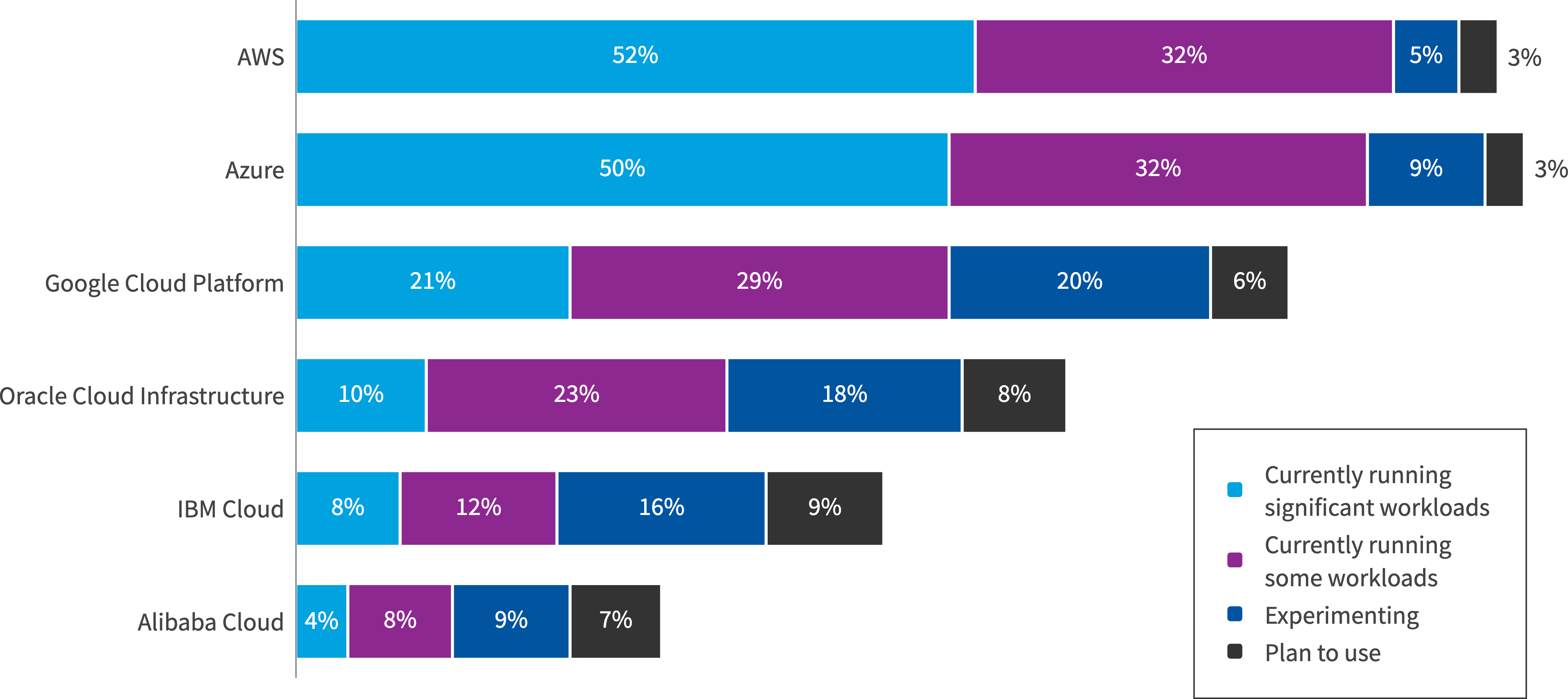
Offers scalable cloud services that let companies easily scale compute, storage, and databases as needed. Count on cloud facilities, microservices, and caching to stream content to countless users at once. These examples highlight how scalability helps business provide trusted efficiency, handle traffic spikes, and proliferate without infrastructure restrictions.
How to Optimize Business Hosting for 2026
Vertical Scaling, Like upgrading a vehicle with a larger engine for more power. Updating a system by including more CPU, memory, or storage to a single server, similar to increasing an automobile's engine power. Ideal for small applications and quick scaling, but restricted by hardware constraints and can not scale indefinitely.
Scaling by adding several servers or instances to share the workload, similar to utilizing numerous automobiles rather of one. Automatically scales based on demand without requiring manual server management. The aspects that affects the scalability with their description are: Performance bottlenecks are parts or procedures in a system that restrict general performance and slow down operations.
Efficient use of system resources is essential to preserve performance and assistance system scalability. Inefficient resource utilization can lead to bottlenecks and restrict the system's capability to scale.
Essential Steps for Scaling Cloud Infrastructure Efficiently
The method data is stored and accessed plays a major function in identifying how well a system can scale. Dispersed databases and caching aid systems scale better.
Enables handling of multiple jobs all at once, improving scalability and system performance. Increases throughput by processing more requests, however might present latency due to synchronization and overhead if not managed effectively. System architecture figures out how elements are structured and how quickly the system can scale. System architecture defines how easily a system can scale, with modular and loosely paired elements enhancing versatility.

Server scalability indicates your systems can manage increasing traffic, users, and information without destruction. Stable systems construct trust, while unstable systems drive churn. Scaling without information produces unneeded cost and danger.