Why Agencies Need To Automate Their Internal Workflows Now
Developments in Link Acquisition for the local market in 2026
The shift from manual outreach to totally self-governing link structure defines the present state of seo in 2026. Agencies no longer rely on massive groups to send cold emails. Instead, they release multi-agent systems that identify relevant chances based upon semantic significance rather than simply domain metrics. These representatives analyze the context of a prospective link partner, ensuring that the connection makes sense for the audience and the online search engine's intent-based algorithms.
Deep learning designs now manage the preliminary vetting process. These systems scan thousands of pages per hour, assessing the sentiment and topical authority of every potential backlink source. Effective outcomes in 2026 depend upon discovering these tight topical clusters. Agencies that focus on modern SEO tactics have actually found that links from niche-specific nodes carry more weight than generic mentions on broad news websites. The focus has actually moved from quantity to the "neural range" in between the source and the target content.
The worth of SEO NEO Verdict has actually altered how agencies budget plan for off-page activities. Instead of spending for guest posts on questionable sites, resources are directed toward building high-quality data assets that attract links naturally. Automation tools facilitate this by monitoring "link gaps" in real-time. When a competitor gets a reference, the system automatically flags the chance and prepares a custom-made outreach sequence that highlights a more comprehensive or upgraded resource.
Autonomous Management of Search Visibility
Management workflows have progressed to equal the speed of AI-driven search updates. In 2026, technical SEO is mainly self-healing. Modern platforms connect directly to a website's version control or content management system. When a crawl mistake happens or a schema tag breaks, the automation layer recognizes the issue and pushes a fix before it impacts rankings. This shift permits human strategists to concentrate on brand positioning instead of repairing damaged redirects or missing out on image descriptions.
Material governance has likewise seen a significant shift. Systems now use retrieval-augmented generation to fact-check material versus a confirmed knowledge base. This guarantees that every piece of info published on behalf of a client is precise and up to date. In the period of generative search, accuracy is a main ranking element. Agencies that manage SEO NEO AI Content Systems utilize these tools to keep a high level of trust with both users and search spiders. The automation does not simply develop content; it polishes and validates it to fulfill the rigorous quality requirements of 2026.
Data visualization has actually moved beyond fixed dashboards. A lot of agencies now use predictive modeling to reveal clients where their traffic will remain in three to six months. By feeding historic performance and present market trends into specialized algorithms, these systems provide a sensible outlook on ROI. This level of openness helps companies in the surrounding region make better choices about their marketing invest. The information is no longer about what took place last month, however what is most likely to take place next quarter.
Information Integration and Processing in Urban Markets
Incorporating different data streams is a major concern for SEO professionals this year. The silos in between paid search, organic outcomes, and social signals have mostly vanished. Automation layers now pull information from every touchpoint to develop a unified view of the consumer path. This enables hyper-localized targeting. For example, if a specific area shows high interest in a particular service, the system can immediately change the regional landing pages to reflect that intent.
Businesses looking for SEO NEO for SEO Success typically find that the most successful campaigns are those that respond to local occasions in real-time. In 2026, automation scripts can monitor local news, weather, or event calendars to set off particular SEO adjustments. If a significant storm is forecasted, a home repair work service might see their local pages updated with emergency situation contact info and pertinent advice, all managed by a pre-configured workflow. This level of agility was difficult when human beings had to make every change by hand.
Making use of synthetic users for testing has likewise become common. Before a brand-new website structure or content pillar goes live, firms run it through a simulator that simulates how different types of users-- and search bots-- will communicate with the pages. This permits for quick iteration and ensures that the last item is optimized for both conversion and crawlability. It is a proactive approach that reduces the danger of ranking changes after a major update.
Improving Outreach Efficiency with Neural Networks
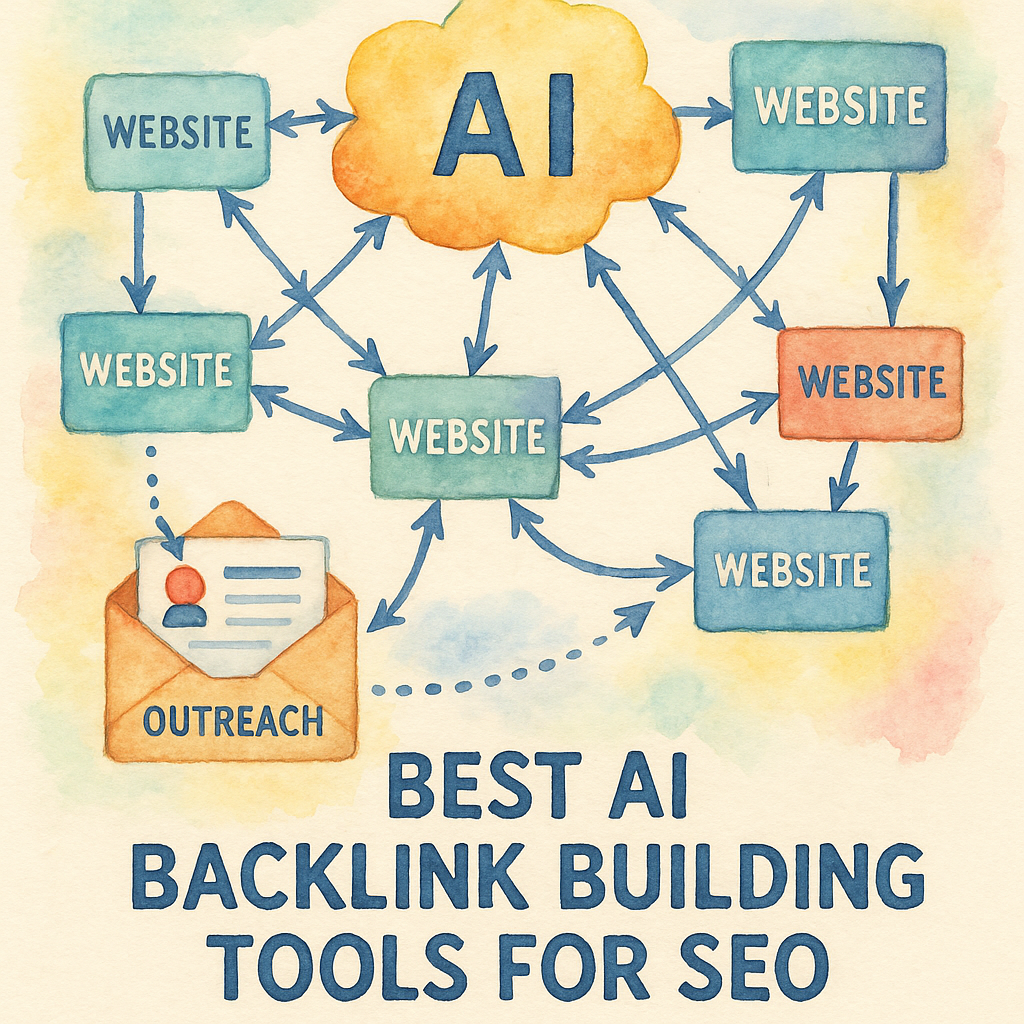
Outreach is no longer a numbers video game. In 2026, the very best agencies use neural networks to predict which editors or site owners are most likely to react to a particular pitch. These systems analyze years of historic interaction data, consisting of reaction times and chosen topics. The resulting outreach is extremely individualized, typically referencing specific points from the recipient's current work without the uncomfortable phrasing common in earlier AI versions.
- Automated sentiment analysis of possible partners guarantees brand name safety.
- Dynamic content insertion permits truly special outreach messages at scale.
- Automated follow-up series change their tone based upon the recipient's previous engagement levels.
- Real-time link monitoring signals the team if a hard-won link is gotten rid of or changed to "no-follow."
This performance has actually decreased the barrier to entry for smaller sized organizations in the local area. By automating the recurring parts of the process, firms can use top-level link structure services at a more available price point. The competitors is now about the quality of the strategy rather than the size of the outreach team. Success in this environment requires a deep understanding of how to set up these automated systems to show a brand's special voice and objectives.
Refining Technical Audits in 2026
The technical audit procedure has been replaced by constant monitoring. In the past, an agency may perform a deep dive once a month or as soon as a quarter. Now, the audit is a living procedure. Every time a page is upgraded, the system checks it against hundreds of technical requirements. If a new script decreases the page load time or an internal link results in a 404, the group is informed immediately.
These systems likewise track "search intent shifts." If the search engine results page for a target keyword changes from informational to transactional, the automation flags this as a top priority. This allows the agency to upgrade the material to match what the online search engine now desires to see. Remaining ahead of these shifts is vital for preserving top positions in a fast-moving market. The capability to pivot based upon data rather than instinct is a trademark of a fully grown SEO operation in 2026.
Keeping an eye on the competitive environment has actually also ended up being automated. Tools now track every modification made by rivals-- from meta descriptions to prices changes. This intelligence is fed into a main database where it is evaluated for patterns. If a competitor begins acquiring traction in a specific sub-topic, the company gets a report with recommendations on how to counter that development. This consistent caution ensures that no opportunity is missed and no hazard goes unaddressed. The focus stays on professional digital growth by remaining one action ahead of the competitors through smarter data application.
The future of SEO management depends on the balance between autonomous execution and human oversight. While the machines manage the information and the recurring tasks, the human component remains needed for top-level innovative instructions and relationship building. In 2026, the most effective companies are those that have effectively incorporated these 2 worlds, developing a workflow that is both efficient and deeply rooted in strategic thinking. This method ensures that as search engines continue to develop, the techniques utilized to reach clients remain reliable and ethical.