Why Manual SEO Processes Are Ending Up Being Outdated

Neural Networks and the Evolution of Link Vetting
Connect quality assessment has shifted from a manual checklist to a high-speed computational procedure in 2026. Older methods depended on fixed metrics like domain scores or basic traffic price quotes, which became easy to manipulate. Today, neural networks analyze the semantic relationship in between a source page and its target with a level of precision that makes conventional metrics look fundamental. These models do not simply count keywords. They take a look at the vector space of the content to determine if a link exists since of a genuine editorial connection or a mechanical intent to influence search engine result.
In 2026, the main challenge for digital managers is no longer discovering a high volume of links, but making sure that each connection makes it through the scrutiny of deep learning filters. Search algorithms now use repeating neural networks to trace the history of a domain, determining patterns of unnatural growth that people may miss. This change has actually pressed companies to concentrate on SEO NEO Cloud Blogs as a method to preserve exposure in a competitive environment. Without this focus, a site threats being flagged for relevance mismatch, which is now a more severe charge than simple link spam.
Measuring Semantic Relevance in 2026
The core of contemporary link evaluation lies in Transformer-based models that check out and comprehend websites much like a human would, however at a massive scale. These designs examine the community of a link. If a link concerning financial planning appears within a conversation about gardening, the neural network appoints it a low weight, even if the linking website has a high reputation. This contextual awareness guarantees that authority is only passed when the topics are realistically aligned. Experts in the field have actually kept in mind that the "drift" between the source and target material is now the single essential element in link durability.
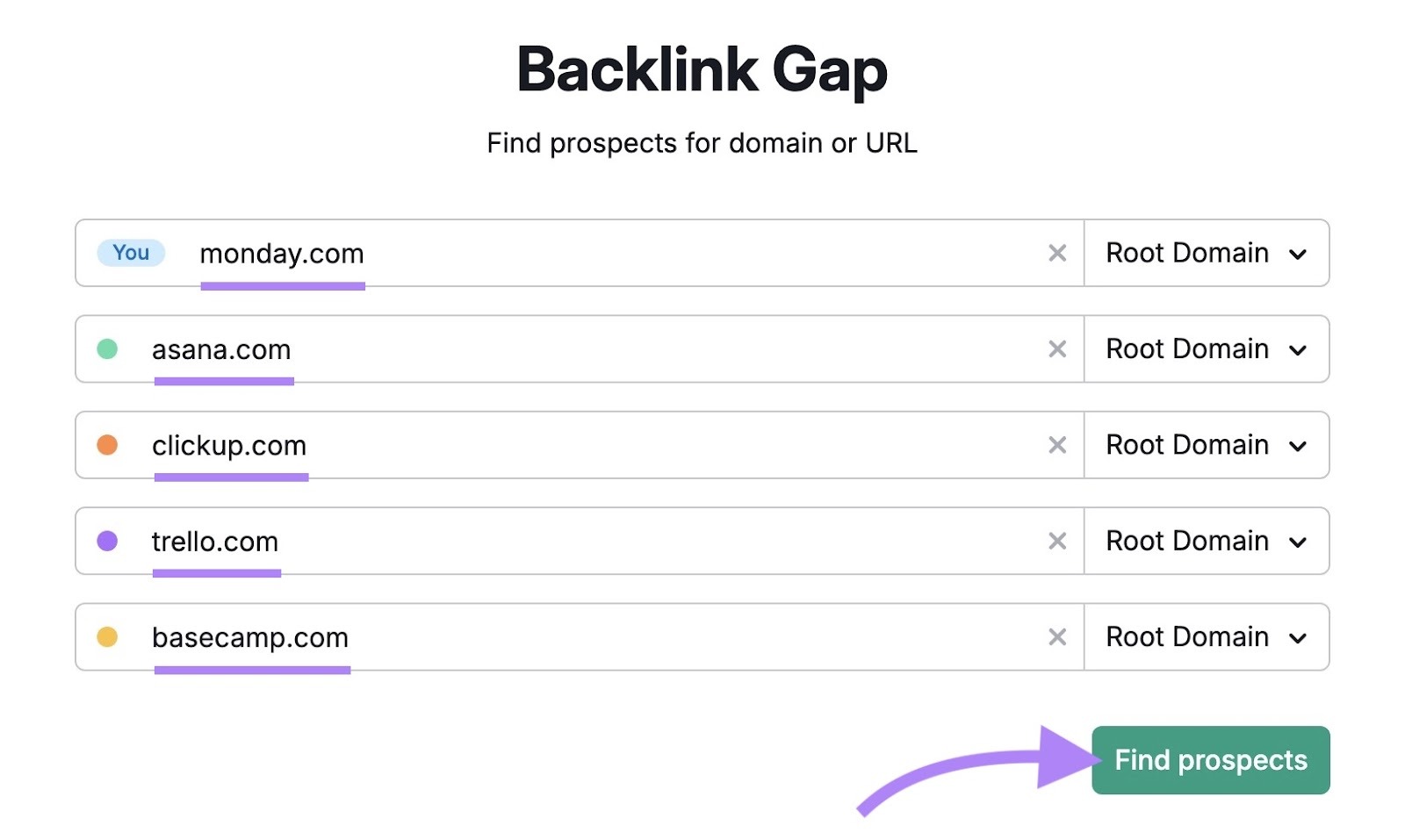
Automation has moved into the vetting phase, where software application anticipates the future worth of a possible link. SEO NEO GBP Sniper Features helps teams choose which chances are worth pursuing before they ever send an outreach email. By simulating how a search engine will likely interpret a link 6 months from now, these tools avoid the acquisition of "decaying" assets. This predictive capability conserves time and budget, enabling a more surgical method to authority building. Instead of broad campaigns, teams now perform extremely targeted strikes on domains that possess high topical density.
Behavioral Signals and the Death of Fixed Metrics
Among the most substantial modifications in 2026 is how neural networks incorporate behavioral information into link quality. It is no longer enough for a link to simply exist. Online search engine observe how users engage with the page containing that link. If users consistently skip over a link or show signs of aggravation when clicking it, the weight of that connection drops. This behavioral layer makes it almost difficult to utilize old-school link farms or concealed placements. Hyperlinks needs to be visible and useful to genuine people to supply any technical advantage.
Many companies looking for SEO NEO for Software Verification have discovered that small, niche-specific websites typically offer more worth than big, generic news outlets. A neural network recognizes that a specialized blog site has a more concentrated authority in a specific field. This has actually led to a decentralization of the web, where smaller, reliable voices hold more sway than they did 2 years back. The automation of this discovery process permits brand names to find these "micro-influencers" of the web without the massive manual work previously needed.
Predictive Analytics for Sustainable Authority
The speed of these evaluations is maybe the most striking development. In previous years, a website may take pleasure in the advantages of a low-grade link for months before an online search engine update caught up. In 2026, these updates are constant and rapid. When a new link is indexed, it travels through a number of layers of neural filtering immediately. These layers check for author credibility, hosting patterns, and even the "belief" of the surrounding text. If the link is found in a section of text that is simply marketing or lacks a natural circulation, its worth is dampened in real-time.
This environment needs a various technique to SEO management. Managers now utilize real-time dashboards that reveal the "health" of their link profile based on these neural filters. These control panels highlight links that are beginning to lose importance as the site's own content develops. Because the web is fluid, a link that was pertinent in January may end up being a liability by December if the location page alters its focus. Continuous monitoring via automation is the only way to remain ahead of these subtle shifts in topical positioning.
The cost of entry for efficient link building has actually increased, but the results are more steady. By 2026, the market has mostly moved away from high-risk strategies. Neural networks have actually brought a level of transparency to the web where quality is objectively determined by reasoning and data instead of subjective opinions. For those who purchase understanding these automated systems, the path to authority is clearer than ever. It is about creating a web of connections that are as smart as the algorithms evaluating them. Success depends on the ability to combine technical automation with top-level content technique, ensuring that every link serves a function for the user and the device alike.












