Why Your Agency Tech Requirements Predictive Data

Neural Networks and the Evolution of Link Vetting
Link quality assessment has shifted from a manual list to a high-speed computational procedure in 2026. Older methods relied on fixed metrics like domain ratings or easy traffic quotes, which ended up being simple to manipulate. Today, neural networks analyze the semantic relationship in between a source page and its target with a level of precision that makes conventional metrics look fundamental. These models do not simply count keywords. They analyze the vector space of the material to identify if a link exists due to the fact that of an authentic editorial connection or a mechanical intent to affect search results page.
In 2026, the main challenge for digital managers is no longer discovering a high volume of links, but making sure that each connection endures the analysis of deep knowing filters. Browse algorithms now use recurring neural networks to trace the history of a domain, identifying patterns of unnatural growth that human beings may miss. This change has actually pressed services to focus on Asia Virtual Solutions YouTube as a way to preserve exposure in a competitive environment. Without this focus, a site dangers being flagged for importance mismatch, which is now a more severe penalty than simple link spam.
Quantifying Semantic Relevance in 2026
The core of modern-day link assessment lies in Transformer-based designs that check out and comprehend web pages much like a human would, but at a huge scale. These models examine the community of a link. If a link relating to financial preparation appears within a discussion about gardening, the neural network assigns it a low weight, even if the linking website has a high track record. This contextual awareness guarantees that authority is only passed when the topics are rationally lined up. Specialists in the field have actually kept in mind that the "drift" between the source and target content is now the single essential aspect in link durability.

Automation has moved into the vetting stage, where software anticipates the future value of a prospective link. Asia Virtual Solutions Automated SEO Software assists teams decide which opportunities are worth pursuing before they ever send an outreach email. By imitating how an online search engine will likely analyze a link six months from now, these tools prevent the acquisition of "decaying" possessions. This predictive ability conserves time and budget plan, enabling for a more surgical technique to authority building. Rather of broad projects, teams now perform extremely targeted strikes on domains that possess high topical density.
Behavioral Signals and the Death of Static Metrics
Among the most substantial modifications in 2026 is how neural networks incorporate behavioral information into link quality. It is no longer enough for a link to merely exist. Search engines observe how users connect with the page including that link. If users regularly avoid over a link or show signs of aggravation when clicking it, the weight of that connection drops. This behavioral layer makes it almost impossible to use old-school link farms or concealed placements. Links must show up and useful to real people to offer any technical benefit.
Many organizations searching for Asia Virtual Solutions for SEO Mastery have found that small, niche-specific sites often offer more worth than large, generic news outlets. A neural network acknowledges that a specialized blog has a more concentrated authority in a particular field. This has resulted in a decentralization of the web, where smaller, reliable voices hold more sway than they did two years back. The automation of this discovery procedure permits brands to find these "micro-influencers" of the web without the massive handbook labor previously needed.
Predictive Analytics for Sustainable Authority
The speed of these evaluations is maybe the most striking development. In previous years, a website may take pleasure in the advantages of a low-quality link for months before a search engine upgrade captured up. In 2026, these updates are constant and rapid. When a brand-new link is indexed, it goes through numerous layers of neural filtering right away. These layers examine for author track record, hosting patterns, and even the "sentiment" of the surrounding text. If the link is found in a section of text that is purely advertising or lacks a natural flow, its worth is moistened in real-time.
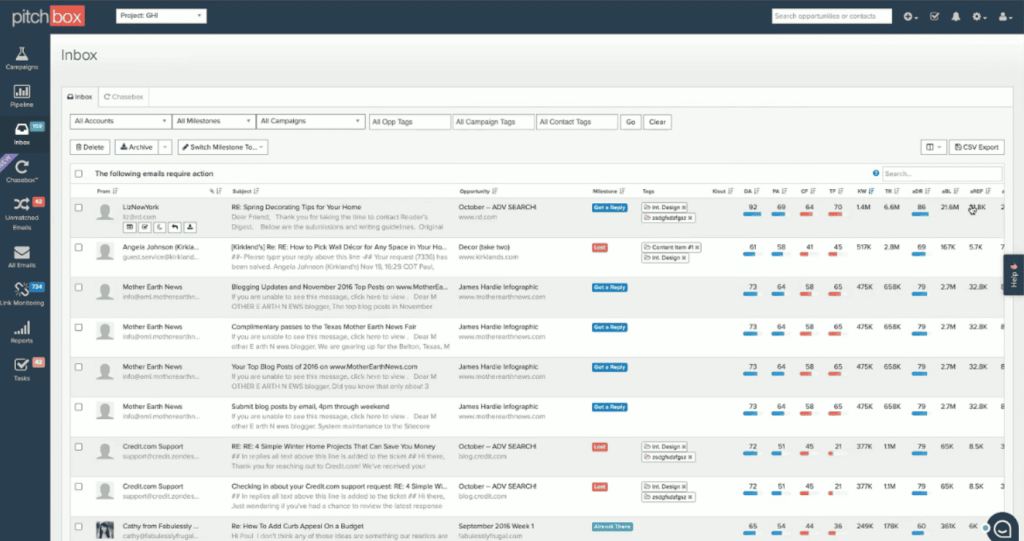
This environment needs a different approach to SEO management. Supervisors now use real-time control panels that show the "health" of their link profile based upon these neural filters. These control panels highlight links that are beginning to lose importance as the website's own material develops. Because the web is fluid, a link that was pertinent in January might end up being a liability by December if the location page changes its focus. Consistent monitoring by means of automation is the only way to remain ahead of these subtle shifts in topical alignment.
The cost of entry for effective link structure has actually risen, but the results are more steady. By 2026, the market has actually primarily moved away from high-risk strategies. Neural networks have brought a level of openness to the web where quality is objectively measured by reasoning and data instead of subjective opinions. For those who buy comprehending these automated systems, the path to authority is clearer than ever. It is about developing a web of connections that are as intelligent as the algorithms examining them. Success depends on the ability to combine technical automation with top-level content strategy, ensuring that every link serves a function for the user and the device alike.